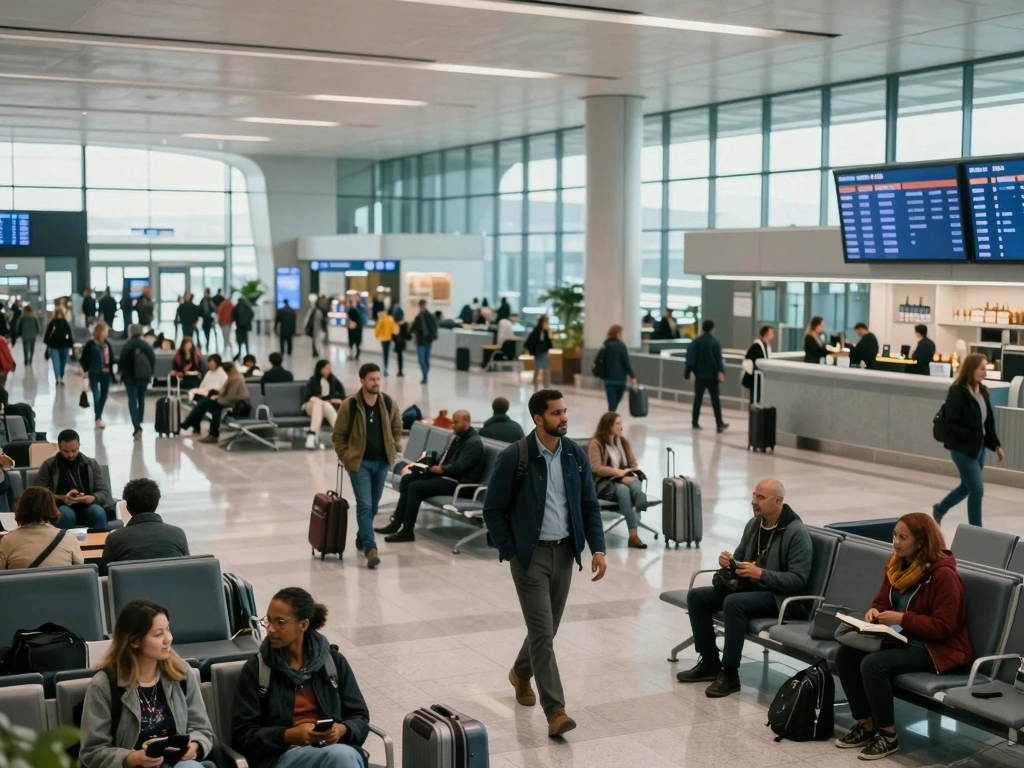
Airport Amenities for Layover Passengers
When it comes to layovers, the amenities offered by an airport can significantly impact the transit experience. Layover-friendly airports are designed to provide comfort and convenience, ensuring that passengers can make the most of their time before catching their next flight. Below, we explore key amenities that enhance the layover experience.
Lounge Access and Comfort
Airport lounges are often regarded as havens for travelers during layovers. They provide a tranquil environment away from the bustling terminal, offering comfortable seating, complimentary snacks, and beverages. For instance, airports like Singapore Changi (SIN) and Doha Hamad (DOH) are renowned for their premium lounges. At Changi Airport, travelers can enjoy the SilverKris Lounge, which features shower facilities, quiet areas, and even a pool for those with longer layovers. Many airlines offer lounge access to their premium passengers, but there are also options for economy travelers to purchase day passes. For example, the Plaza Premium Lounge is available in numerous airports worldwide, allowing travelers to enjoy amenities such as Wi-Fi, food, and relaxation zones regardless of their airline.
Dining Options and Quality
The quality of dining options can vary widely between airports. Layover-friendly airports typically offer a diverse range of dining choices that cater to various tastes and dietary restrictions. At Amsterdam Schiphol (AMS), passengers can indulge in local specialties at eateries like Dutch Kitchen or grab a quick bite at the many fast-casual restaurants available. In contrast, airports like Los Angeles International (LAX) have faced criticism for their limited food quality and variety. However, recent renovations have introduced more high-quality options, including celebrity chef restaurants and gourmet food trucks, enhancing the overall dining experience for transit passengers.
Shopping and Duty-Free Experience
Duty-free shopping can be a highlight of a layover, and airports that excel in this area often attract passengers looking to purchase luxury goods at reduced prices. Airports like Hong Kong International (HKG) are known for their extensive duty-free shops, which include designer brands, electronics, and local specialties. Conversely, airports with limited shopping options can leave transit passengers feeling frustrated. For instance, while O'Hare International Airport (ORD) has improved its shopping scene, it still cannot compete with the variety found in other major hubs. Travelers looking for souvenirs or gifts may find their options limited, leading to a less satisfying layover experience.
Transit Efficiency and Connection Times
Efficient transit processes can make or break a layover experience. Airports that prioritize streamlined connections facilitate smoother transitions for travelers, reducing the stress often associated with changing flights.
Minimum Connection Times by Airport
Minimum connection times (MCT) are crucial for passengers to understand, as they dictate how much time is required to transfer from one flight to another. For example, the MCT at London Heathrow (LHR) is generally 45 minutes for domestic flights and 60 minutes for international flights. In contrast, at Singapore Changi Airport, the MCT is as low as 50 minutes for international connections, due to the airport's efficient layout and operations. Airports with longer MCTs can create anxiety for travelers, especially those on tight schedules. This is particularly true in larger hubs such as Chicago O'Hare, where MCTs can be as long as 75 minutes, necessitating careful planning for passengers with tight connections.
Signage and Navigation Ease
Effective signage and navigation systems within the airport significantly enhance the passenger experience. Airports that prioritize clear signage, intuitive layouts, and multilingual information can help travelers quickly locate their gates and amenities. For instance, Singapore Changi Airport is well-known for its user-friendly design, featuring clear directional signs that are easy to follow. Meanwhile, Frankfurt Airport (FRA) has made strides in improving signage, but many passengers still find it challenging to navigate due to the airport's size and complexity.
Security Checkpoint Processes
Security checkpoints can be a major bottleneck in airport transit. Airports that implement efficient security processes, such as expedited screening for certain passengers or advanced technology like automated screening lanes, can significantly reduce wait times. For example, Denver International Airport (DEN) has invested in advanced screening technology that allows for quicker throughput at security checkpoints. In contrast, airports like Los Angeles International (LAX) have received mixed reviews regarding security efficiency, with some travelers reporting long wait times during peak hours.
Transportation Options for Short Layovers
Transportation options available during layovers can greatly influence the overall experience of transit passengers. Airports that offer robust internal and external transportation services can make a significant difference.
Internal Airport Transportation Services
Many airports provide internal transportation services, such as shuttles, trams, or trains, to help passengers navigate between terminals quickly. For instance, at Hartsfield-Jackson Atlanta International Airport (ATL), the Plane Train connects all domestic terminals and concourses, allowing passengers to transfer between gates in just a few minutes. Conversely, some airports, like Dallas/Fort Worth International Airport (DFW), have multiple terminals that are not easily connected, making internal travel cumbersome for passengers on short layovers. This can lead to unnecessary stress, especially for those with tight connections.
Access to City Centers for Longer Layovers
For travelers with longer layovers, the ability to access nearby city centers can transform the waiting period into an opportunity for exploration. Airports like Amsterdam Schiphol (AMS) offer direct trains to the city center, allowing passengers to enjoy a quick visit to local attractions, restaurants, and shops. On the other hand, airports lacking efficient public transport options can leave travelers confined to the airport. For example, while Toronto Pearson International Airport (YYZ) has public transit options, the time required to reach downtown Toronto can be a deterrent for those with limited layover time.
Availability of Rental Cars and Shuttles
The availability of rental cars and shuttle services also plays a crucial role in enhancing the layover experience. Airports that provide convenient rental car options allow passengers the flexibility to explore the surrounding area during longer layovers. For instance, airports like Orlando International Airport (MCO) have a wide range of rental car companies located on-site, making it easy for travelers to pick up a vehicle and venture out. Conversely, some smaller airports might only offer limited rental services, which may not be convenient for passengers wishing to explore nearby attractions.
Health and Safety Standards in Transit Areas
In light of recent global health concerns, the health and safety standards in airport transit areas have become increasingly important. Airports that prioritize hygiene and safety measures can enhance the overall experience for layover passengers.
Cleansing Protocols and Hygiene Measures
Airports have adopted various cleansing protocols to ensure safety for travelers. For example, airports like Singapore Changi have implemented extensive cleaning regimes, including the use of UV-C light to disinfect high-touch surfaces. Travelers can feel more at ease knowing that the airport is committed to maintaining a clean environment. Conversely, some airports have faced criticism for inadequate hygiene measures. Reports from travelers at certain airports indicate a lack of visible cleaning staff and insufficient sanitation supplies, which can lead to concerns about safety during layovers.
Emergency Medical Services Availability
The availability of emergency medical services is another crucial aspect of health and safety in airports. Airports like Incheon International Airport (ICN) have medical facilities equipped to handle emergencies, ensuring that passengers have access to care if needed during their layover. In contrast, some airports may lack sufficient medical services, which can heighten anxiety for travelers. Knowing that help is readily available can provide peace of mind for those with health concerns or emergencies.
Social Distancing and Capacity Management
Social distancing measures are still relevant in many airports, and those that effectively manage capacity can create a more comfortable environment for passengers. Airports like Dubai International (DXB) have implemented strategies to ensure that waiting areas do not become overcrowded, allowing for adequate space between travelers. Conversely, airports that struggle with capacity management may experience overcrowding, leading to a stressful environment for layover passengers. Ensuring that travelers have enough space can significantly enhance their overall experience during transit.
Passenger Experience and Feedback
Ultimately, the passenger experience is what defines a layover-friendly airport. The feedback provided by travelers often highlights the strengths and weaknesses of various airports, offering valuable insights for future improvements.
Customer Satisfaction Ratings
Customer satisfaction ratings from organizations like Skytrax provide an overview of how airports are perceived by travelers. Airports like Singapore Changi consistently rank high due to their exceptional amenities, cleanliness, and efficient transit systems. In contrast, passenger ratings for airports such as Newark Liberty International Airport (EWR) often highlight issues related to overcrowding and outdated facilities. Such ratings can guide improvements and help potential travelers make informed decisions about layover-friendly airports.
Common Complaints and Praise
Common complaints among layover passengers often include long security lines, limited dining options, and inadequate seating areas. Conversely, praise is frequently directed towards airports with robust lounge access, comfortable seating, and a variety of shopping and dining choices. For example, travelers frequently commend airports like Hamad International (DOH) for their luxurious lounges and extensive offerings, while expressing frustration at airports that do not meet their expectations in these areas.
Impact of Airport Design on Layover Experience
The design of an airport can significantly influence the layover experience. Airports that prioritize a passenger-centric design—featuring open spaces, natural light, and efficient layouts—tend to receive positive feedback. For instance, the design of Kansai International Airport (KIX) has been praised for its spaciousness and efficiency, making it easy for passengers to navigate during layovers. In contrast, airports with outdated designs or confusing layouts can lead to negative experiences for transit passengers.